
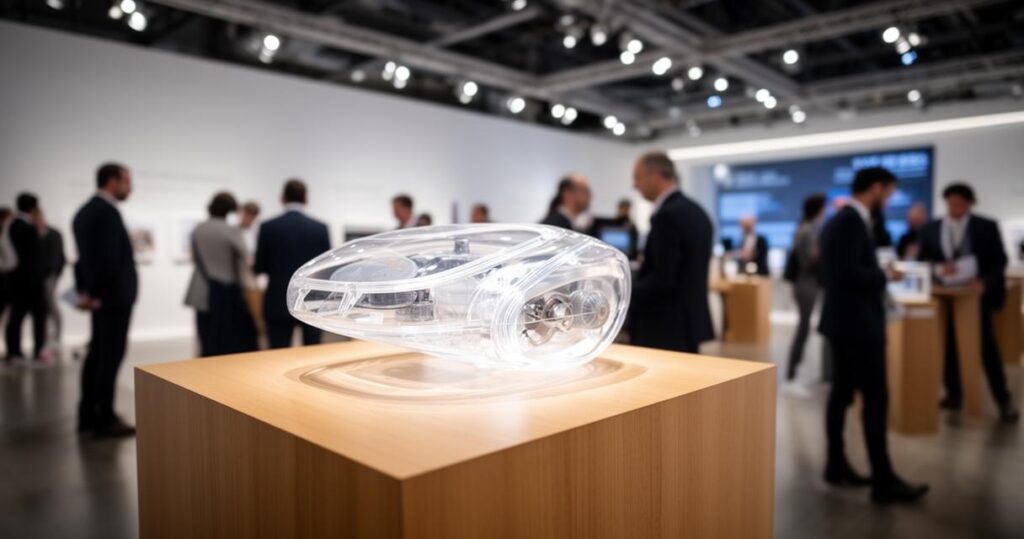
Every spring, the halls of the Paris Fair fill with a peculiar sort of electricity, the kind that only appears when tinkerers, engineers, and dreamers gather under one roof to show off what they have been building in their sheds and laboratories. The Lepine Competition has long been the stage where these ideas step into the light, and this year's crop of French and foreign inventions proves that the appetite for genuine innovation shows no sign of slowing down.
What to know
- The Concours Lépine, founded in 1900, has evolved into a prestigious international platform hosted at the Paris Fair that celebrates innovation from both French and foreign inventors.
- Gold medal winner Meludia exemplifies the competition's focus on practical utility by offering a music education method based on years of research to help learners overcome barriers to playing instruments.
- International participants, particularly from Poland, have demonstrated significant success at the exhibition, securing numerous awards for advancements in fields like medicine, robotics, and sustainable materials.
- The competition features a diverse range of inventions, spanning from life-saving medical research and military-grade engineering to everyday consumer products like home comfort accessories.
- The French Association of Inventors and Manufacturers, alongside supportive municipalities, plays a crucial role in providing the infrastructure and credibility necessary to maintain this long-standing festival of innovation.
- Organizers emphasize making innovation accessible to the general public by providing affordable or free entry, fostering an environment where tinkerers and dreamers can showcase their creations.
The Lepine Competition: A Prestigious Platform for Innovators and Inventors
The Legacy and Significance of the Lepine Competition at the Paris Fair
Few events can claim the sort of pedigree that the Concours Lepine carries with it. Founded in 1900 to give a leg-up to local manufacturers, the competition has grown into something rather grander, an international showcase that draws exhibitors from well beyond French borders. At its 113th edition, held once again at the Paris Fair, the atmosphere was every bit as competitive as its history suggests, with judges sifting through hundreds of entries to decide who deserved the gold, silver, and bronze medals that carry such weight in the world of invention. Among this year's standout winners was Meludia, a music learning method that walked away with a gold medal and the coveted Senate and Chamber Prize, a distinction that recognises not just cleverness but genuine usefulness. Meludia's web application takes a rather refreshing approach to musical education, encouraging players to develop a feel for music before wading into dry theory, an idea rooted in twenty-five years of research involving nearly three thousand musicians. It is a timely invention too, given that roughly ninety per cent of the population apparently wishes it could play an instrument, yet a striking eighty-five per cent of students give up before they turn fifteen.
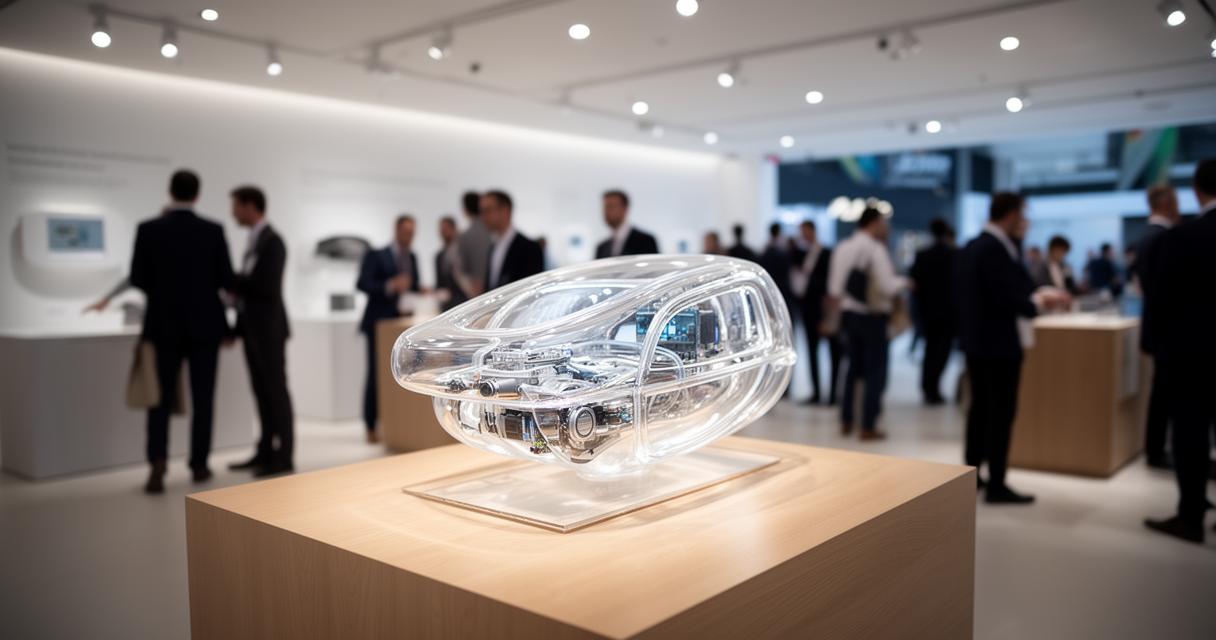
Notable Awarded Inventions from Recent Editions at the Palace of Versailles
The competition's reach extends well beyond music and gadgetry for the home. At the 112th International Invention Exhibition, Polish inventors made a particularly strong showing, collecting thirty-one medals in total, a haul that included six gold, eleven silver, and twelve bronze awards, plus a couple of medals handed out by the French Association of Inventors and Manufacturers. The exhibition that year welcomed exhibitors from fourteen countries and displayed more than five hundred innovative solutions, with Poland alone contributing thirty-one inventions and ten design projects. Among the gold medal winners were a leak testing device and a fire-resistant polymer cleverly made from chicken farm waste, alongside a composite material and a robot built specifically to assess security in places humans struggle to reach. The University of Lodz picked up a gold medal for a drug-related invention with promise for treating chronic leukaemia, while a group of young inventors from King Jan III Sobieski School impressed judges with an electronic communication system designed for disabled users. Even the Palace of Versailles, when the event has been staged nearby, has lent a certain grandeur to proceedings, reminding visitors that invention and elegance are not mutually exclusive.
Innovations Across Diverse Categories: From Essential Items to Toys and Art
French and Foreign Inventions Transforming Everyday Life and Industry
What makes the Lepine Competition so compelling is the sheer variety on display, ranging from serious medical research to the sort of household items you would never expect to see praised for engineering brilliance. The Institute of Precision Engineering, for instance, walked away with two silver medals for innovative drilling and heating methods, while the Mossakowski Medical Research Centre earned an AIFF medal for peptide hydrolysates shown to inhibit melanoma. The Military University of Technology added three bronze medals to the tally, one for an energy-saving system and another for a mobile epilepsy detection system, proof that military-grade precision engineering can find purpose well beyond the battlefield. On a lighter note, everyday comforts have their place too. The COSY CLUB brand, a family-run business built around quality French manufacturing and recycled materials, has been turning heads with its range of cushions made entirely in Occitania, alongside its ISIDOR car pillow featuring an optional removable cover. New winter prints, including graphic trees, sparkling fabrics, emoji patterns, and folky designs, have added a playful touch to what might otherwise be considered a purely functional product category.
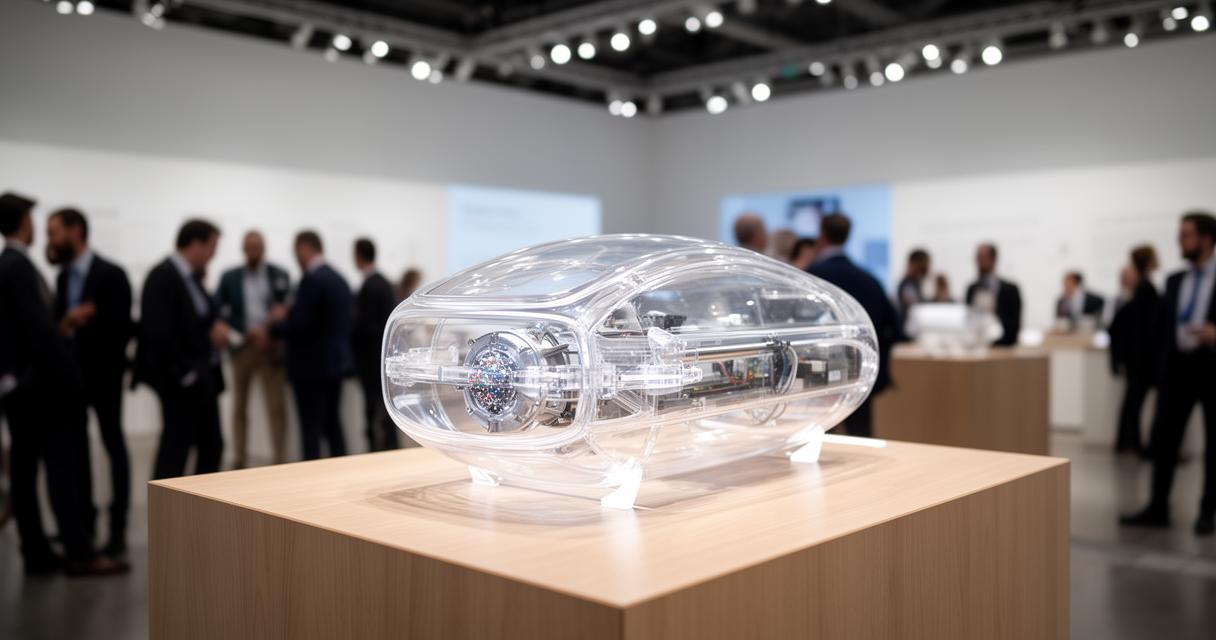
The Role of the Association and Municipality in Supporting the Festival of Innovation
None of this would be possible without the quiet, persistent support of the associations and municipalities that keep the festival running smoothly year after year. The French Association of Inventors and Manufacturers plays a particularly active role, not only awarding its own medals but lending credibility to the entire exhibition. Local authorities, meanwhile, provide the infrastructure and goodwill needed to host thousands of visitors, exhibitors, and curious passers-by. This support was on full display when the competition took place at the Montpellier International Fair, held from the eleventh to the twenty-first of October, in a hall generously provided by the municipality at Route de La Foire in Perols. The venue stayed open daily from ten in the morning until seven in the evening, with late nights stretching to nine o'clock on select days, and free entry offered during those extended hours, an approach that clearly aimed to make innovation accessible to as many people as possible rather than reserving it for a select few.
The New Edition: What to Expect from the Upcoming Exhibition in February
Highlights of the Latest Exposition and Featured Inventors
Looking ahead, the buzz around the next edition of the exhibition is already building, with organisers promising another rich mix of French and foreign inventions across every conceivable category. Visitors can expect to see everything from cutting-edge medical devices to charming toys and artistic curiosities, each vying for recognition among a panel of discerning judges. Practicalities have not been overlooked either, with the Gourmet Terrace staying open until midnight for those who fancy extending their visit into a proper evening out, and customer support teams available from Monday to Friday between nine and five to handle any queries. Delivery logistics have also been refined, with ninety-two per cent of parcels reportedly reaching customers within forty-eight hours and free delivery offered in France on orders over one hundred and fifty euros, details that matter enormously to the small manufacturers and exhibitors who rely on swift turnaround to keep their businesses afloat.
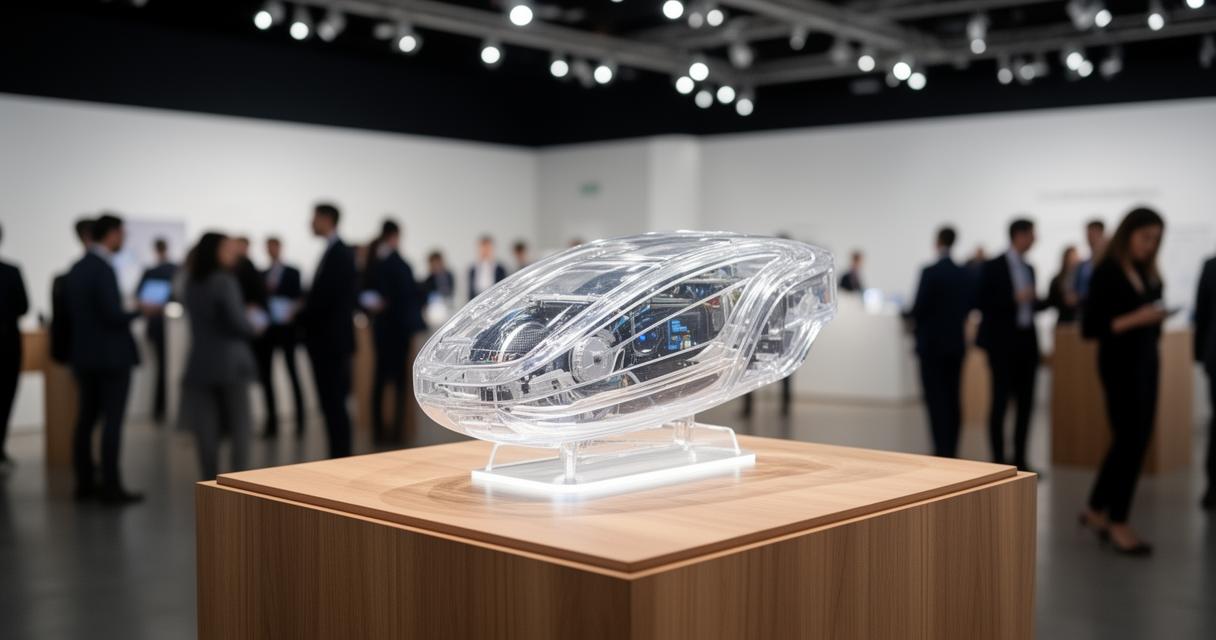
The Evolution of the Event and Its Place in Celebrating Groundbreaking Innovations
The Concours Lepine has been organised since 1901, and in the more than a century since, it has managed to retain its original spirit while adapting to an ever-changing world of technology and design. The Polish Pavilion, established in 2003, stands as one example of how the event has grown to embrace international participation without losing its French character. As the next edition approaches, scheduled with anticipation for the coming years, it seems certain that the competition will continue doing what it has always done best, giving inventors both established and unknown a genuine platform to prove that a good idea, however humble its origins, can still capture the public imagination.