
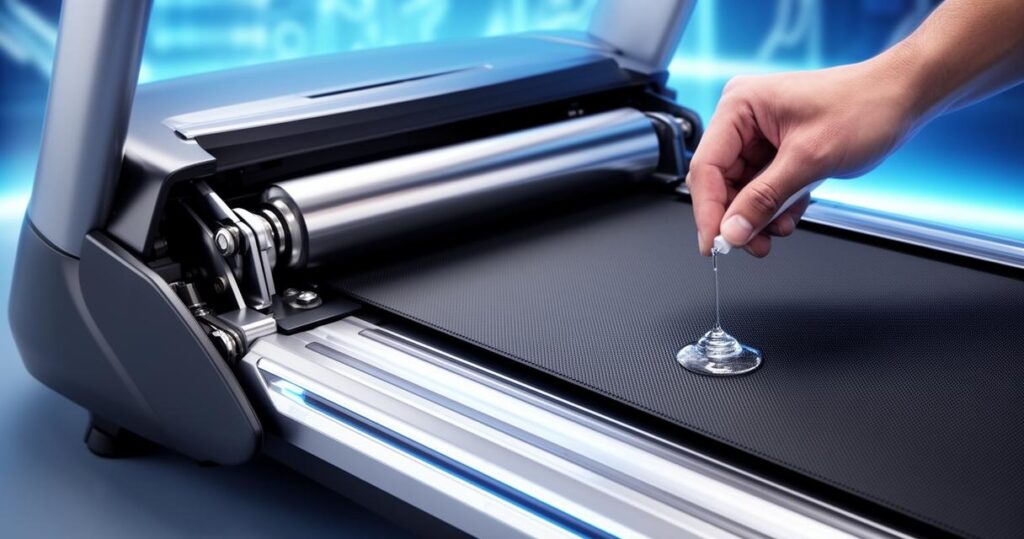
Keeping your treadmill running smoothly is not just about convenience, it is about protecting your investment and ensuring your workouts remain safe and enjoyable. Whether you have a compact model tucked away in your apartment or a robust machine in your home gym, regular lubrication is one of those maintenance tasks that often gets overlooked until something starts squeaking or grinding. This guide will walk you through everything you need to know about keeping your treadmill's belt and deck in top condition.
In short
- Regular lubrication of the treadmill belt and deck is essential to reduce friction, prevent motor overheating, and extend the machine's lifespan.
- Excessive friction between the belt and deck increases the workload on the motor, which can lead to premature failure and costly repairs.
- Proper maintenance helps prevent belt tracking issues and ensures a safe workout environment for the user.
- Users should primarily use silicone-based lubricants, as they are the standard for most modern treadmills and provide consistent coverage.
- It is crucial to avoid household products like WD-40 or vegetable oils, as they can degrade treadmill materials and damage the machine.
- The lubrication process involves cleaning the deck, applying a thin line of lubricant under the belt, and running the machine at a low speed to distribute the product evenly.
- Maintenance should typically be performed every three to six months, depending on the frequency of treadmill usage.
Understanding the Critical Importance of Treadmill Lubrication for Optimal Performance
Many people invest in a treadmill without realising that the machine's longevity depends heavily on how well it is cared for. The motor and belt system work together constantly, and without proper lubrication, friction builds up between the belt and the deck beneath it. This friction does not just cause annoying noises, it actively wears down components that are expensive to replace.
Why regular lubrication extends your treadmill motor's lifespan
Your treadmill's motor has to work considerably harder when there is excessive friction between the belt and deck. Think of it like trying to walk through thick mud versus a smooth path, the motor exerts far more energy pulling the belt along a poorly lubricated surface. Over time, this added strain leads to overheating and premature motor failure. By applying lubricant at regular intervals, you reduce the workload on the motor significantly, allowing it to run cooler and last considerably longer. This simple habit can add years to your machine's operational life.
How proper maintenance prevents costly repairs and ensures smooth operation
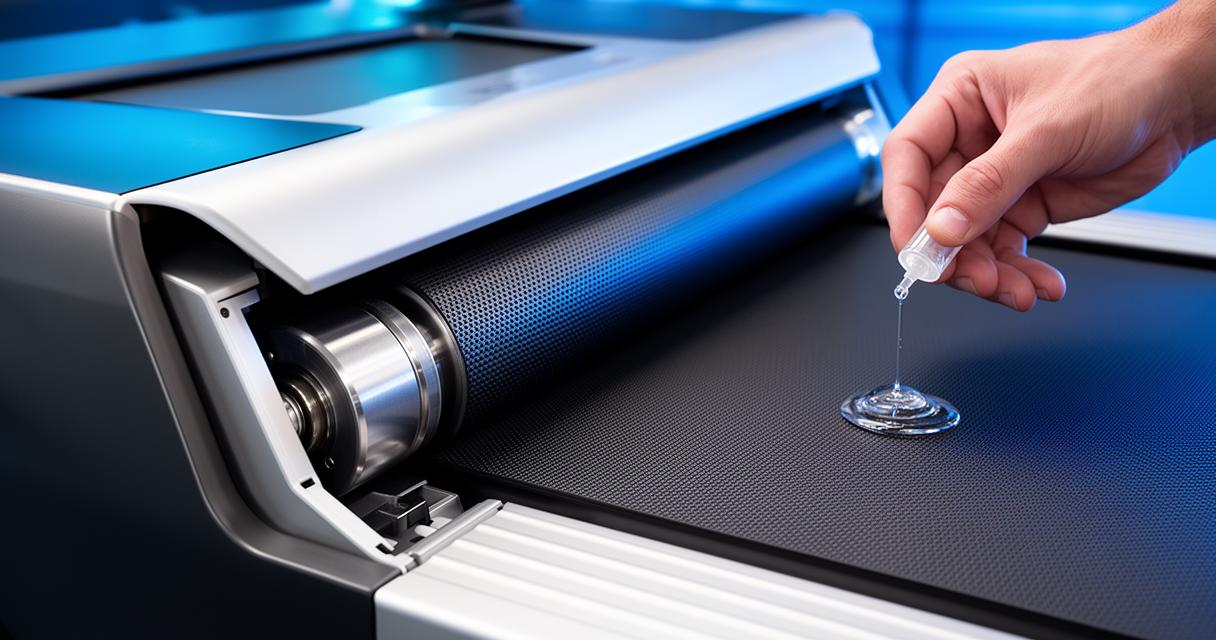
Beyond the motor itself, a poorly maintained treadmill can develop issues with its belt tracking, causing it to shift to one side during use. This is not only irritating but can also become a safety hazard. Proper maintenance, including consistent lubrication and cleaning, prevents these tracking problems and keeps your sessions safe. It is worth noting that repair costs for treadmill motors or belt replacements can run into hundreds of pounds, whereas a bottle of appropriate lubricant costs a fraction of that price and takes only minutes to apply.
Selecting the Right Lubricant: Essential Products for Your Treadmill's Running Belt and Deck
Choosing the correct lubricant is arguably the most important decision in this entire maintenance process. Not all products marketed as lubricants are suitable for fitness equipment, and using the wrong type can actually cause more damage than leaving the machine untreated.
Silicone-based vs wax-based lubricants: which suits your equipment best
Silicone-based lubricants are generally the preferred choice for most modern treadmills because they remain in liquid form and spread evenly across the deck surface. This makes application straightforward and ensures consistent coverage. Wax-based alternatives, on the other hand, are less common but can be effective for certain older models where the manufacturer specifically recommends them. Before purchasing anything, it is sensible to check your treadmill's manual, as manufacturers often specify which type works best with their particular belt and deck materials.
- Silicone lubricant: ideal for most modern belts, easy to apply and long-lasting
- Wax-based lubricant: suited to specific older models, check manufacturer guidance first
- Always confirm compatibility before purchasing any product
Avoiding common mistakes: lubricants you should never use on fitness machines
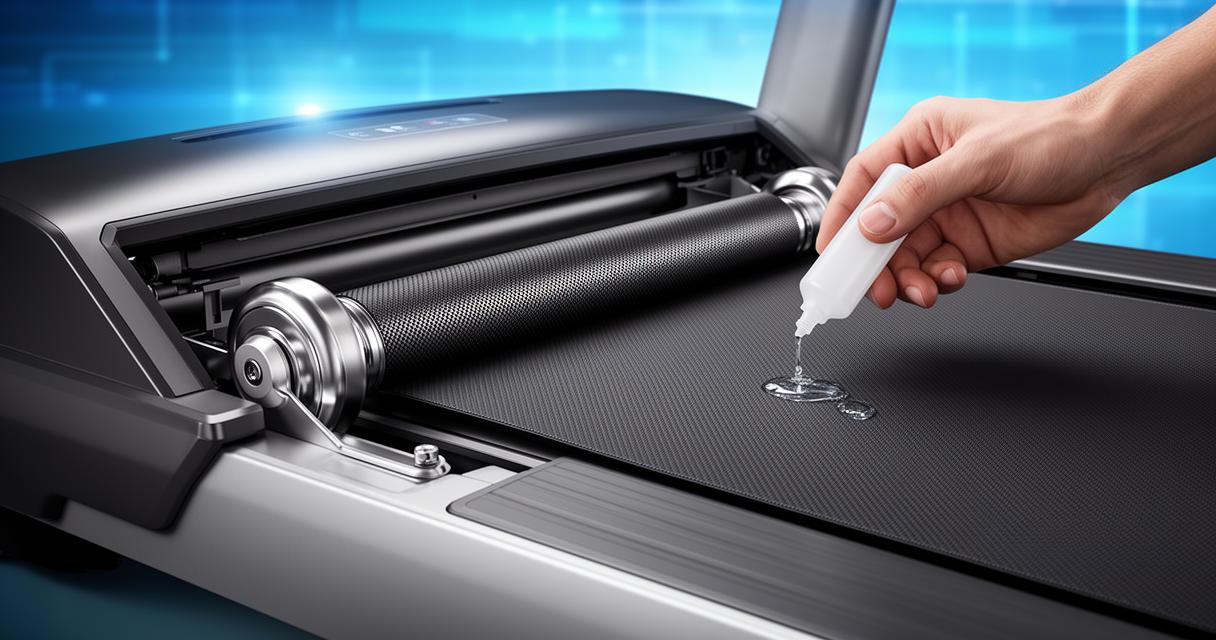
One of the biggest errors people make is reaching for household oils such as vegetable oil, WD-40, or petroleum-based products. These substances can degrade the rubber or PVC material of the belt, causing it to crack or become sticky rather than smooth. Similarly, using too much lubricant can create a mess that attracts dust and debris, which then works its way into the motor housing. Sticking strictly to products designed for treadmills, and following the quantities recommended by the manufacturer, will save you from these avoidable pitfalls.
Complete step-by-step process to lubricate your treadmill belt properly
Now that you understand why lubrication matters and which products to choose, it is time to look at the actual process. This does not require any specialist tools and can typically be completed within twenty minutes.
Preparing your machine: cleaning and inspecting before applying lubricant
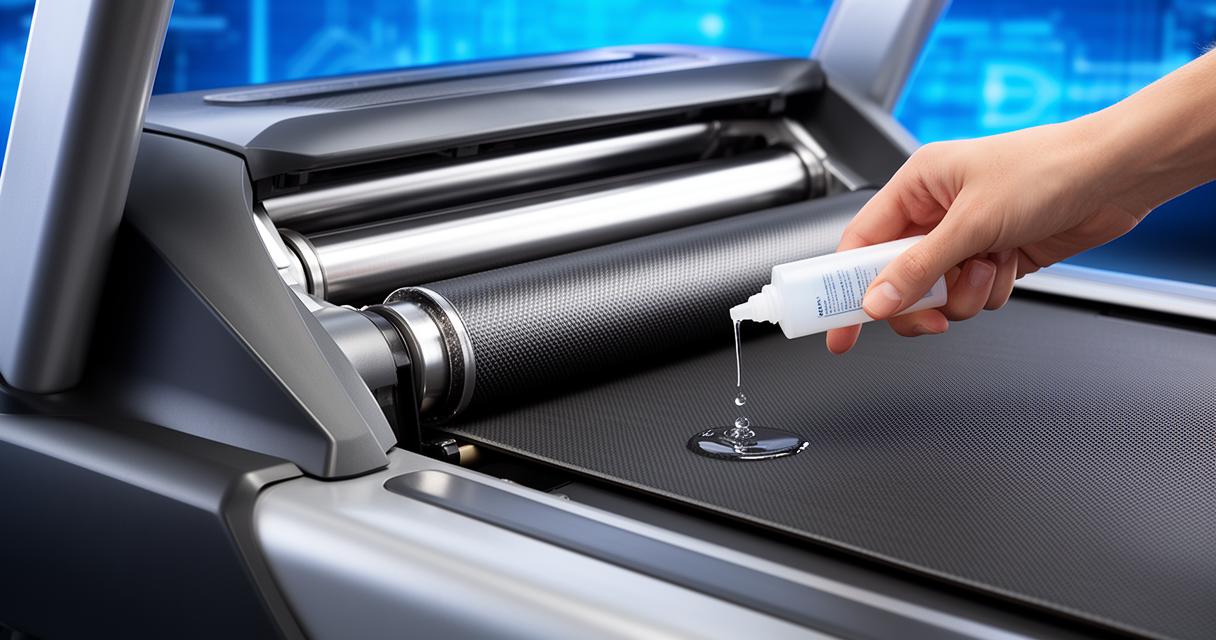
Before applying anything, unplug the treadmill completely for safety and allow it to cool if it has recently been used. Lift the edges of the belt gently to inspect the deck underneath for dust, hair, or debris that may have accumulated. A soft cloth or a vacuum with a narrow attachment works well for clearing away this buildup. Cleaning first ensures that the lubricant you apply afterwards bonds properly with the deck surface rather than sitting on top of trapped dirt.
Application Technique: Where and How Much Lubricant to Apply for Maximum Effectiveness
With the belt lifted slightly on one side, apply a thin, even line of lubricant along the length of the deck, focusing on the centre and edges where the belt makes the most contact. Repeat this process on the other side of the belt. Once applied, manually walk the belt by turning it with your hands for a few rotations, then plug the machine back in and let it run at a low speed for several minutes without anyone standing on it. This distributes the lubricant evenly across the entire deck surface, ensuring smooth performance from your very next workout. Most manufacturers recommend repeating this process every three to six months depending on usage frequency, so marking it on a calendar can help you stay consistent and keep your equipment performing at its best for years to come.