
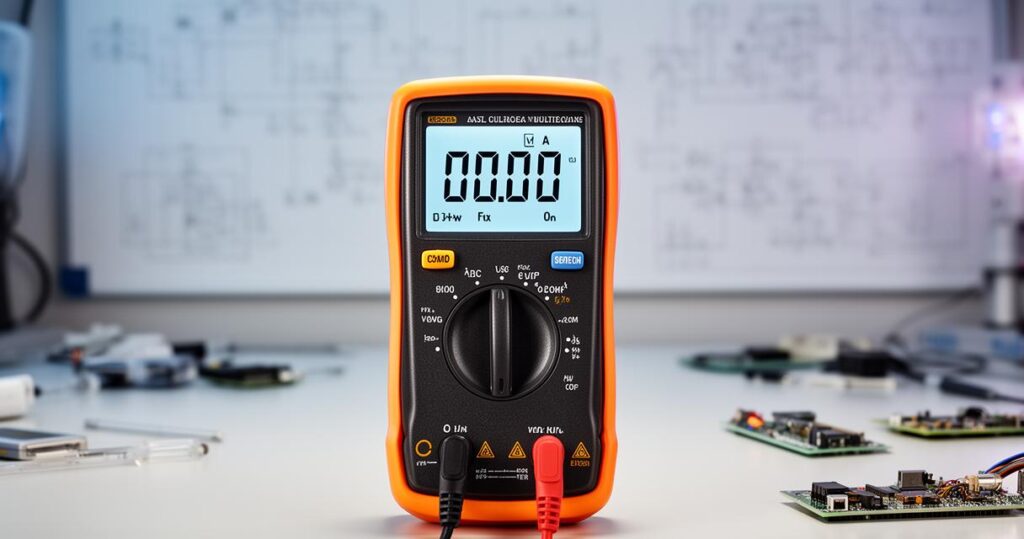
Multimeters have quietly become one of the most trusted tools in electrical work, and as factories and workshops grow more sophisticated, the rules that govern their safety have had to keep pace. Behind every reliable reading lies a framework of standards designed to protect the person holding the probes, and understanding these frameworks helps explain why some devices cost more, last longer, and perform better than others in demanding environments.
In brief
- The CE marking serves as a foundational European safety assurance, confirming that a multimeter meets essential health and environmental directives.
- The IEC 61010 standard categorizes multimeters into CAT ratings, which dictate the specific voltage thresholds and environments where a device can be used safely.
- Strict adherence to safety standards drives manufacturers to improve internal components, resulting in higher measurement accuracy and device reliability.
- Mandatory safety features, such as fused inputs, robust insulation, and overvoltage protection, are critical for preventing operator injury and equipment failure.
- The digital multimeter market is expanding due to rising demand for precision in automation, with Germany and the UK leading regional growth.
- Industry 4.0 is transforming multimeters into connected diagnostic nodes that feature wireless capabilities, cloud integration, and advanced technologies like AI and thermal imaging.
Understanding CE and IEC 1010 Standards: The Foundation of Multimeter Safety
Anyone who has picked up a multimeter has probably noticed the small CE marking stamped somewhere on the casing. This isn't just a bureaucratic sticker; it signals that the device has been assessed against European health, safety, and environmental protection requirements before it ever reaches a shop shelf. For buyers across the continent, this marking offers a baseline assurance that the tool won't become a hazard the moment it's plugged into a live circuit.
What the CE Marking Means for Multimeter Compliance and User Protection
The CE marking essentially tells a technician that a manufacturer has taken responsibility for the product's conformity with relevant directives, covering everything from electromagnetic compatibility to general electrical safety. Within the growing Europe Digital Multimeter Market, which is projected to expand from 245 million dollars in 2024 to 375 million dollars by 2035, this kind of compliance has become a competitive necessity rather than a mere formality. As demand for automation and precision measurement grows across sectors, buyers increasingly expect assurance that their tools meet recognised safety standards before purchase.
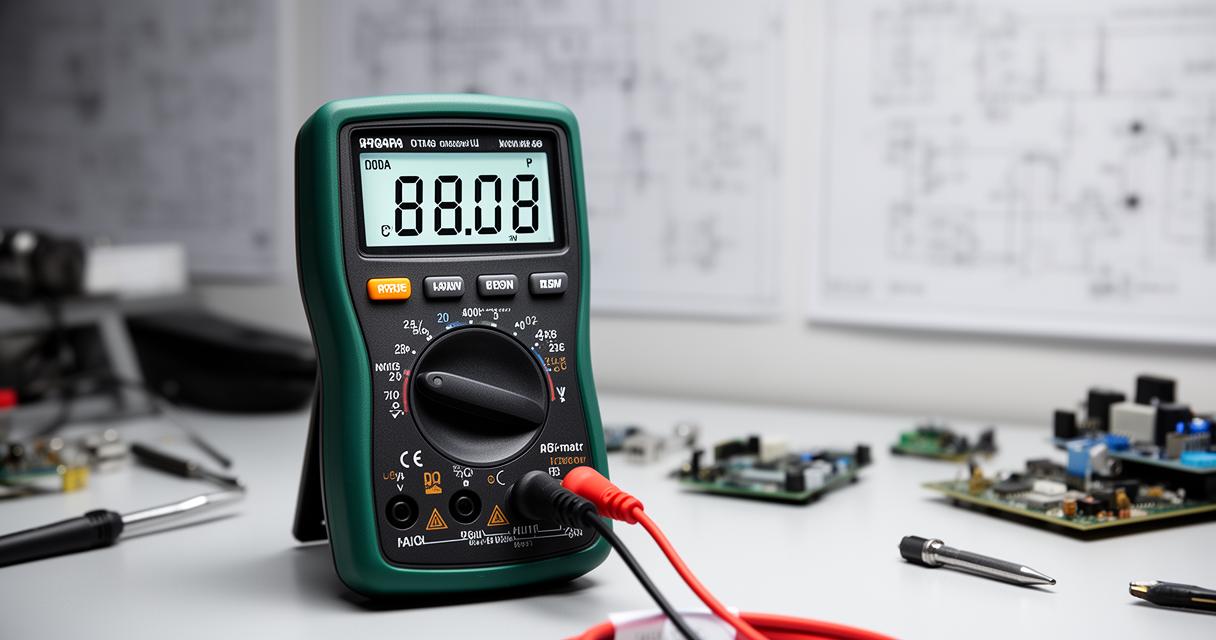
Decoding iec 1010 (iec 61010): category ratings and voltage thresholds explained
Where CE marking offers a general safety stamp, the IEC 1010 standard, now more commonly referenced as IEC 61010, dives into the specifics of measurement category ratings. These categories, often labelled CAT I through CAT IV, indicate how much transient voltage a multimeter can withstand depending on where it's used, whether that's a sensitive electronic circuit or the chaotic environment near a main power distribution panel. Understanding these ratings matters enormously for professionals working across automotive, manufacturing, and energy sectors, where the consequences of using an underrated device can be severe. A multimeter rated for household use has no business being deployed near industrial switchgear, and the standard exists precisely to prevent that kind of dangerous mismatch.
The Impact of Safety Standards on Multimeter Performance in Modern Industrial Settings
Safety standards don't just protect users; they shape how well a multimeter actually performs. Compliance requirements push manufacturers toward better materials, more rigorous testing, and tighter tolerances, which in turn benefits accuracy and reliability. This is particularly relevant as the market sees steady growth, with a compound annual growth rate of 3.95 percent expected between 2025 and 2035, driven largely by technological advancements, rising automation demand, and a growing emphasis on energy efficiency.
How compliance enhances measurement accuracy and operational reliability
There's a common misconception that safety and performance sit in separate categories, but in practice, they're deeply intertwined. A multimeter built to satisfy strict insulation and protection requirements tends to also deliver more consistent readings, since the same engineering discipline that prevents electrical arcing also reduces measurement drift. Companies such as Fluke, Keysight Technologies, and Tektronix have built reputations partly on this principle, producing devices that satisfy rigorous safety benchmarks while maintaining excellent precision across handheld and bench multimeter formats. Notably, Germany continues to hold the largest share of the European market, while the UK has emerged as the fastest-growing region, reflecting strong regional appetite for dependable, standards-compliant equipment.
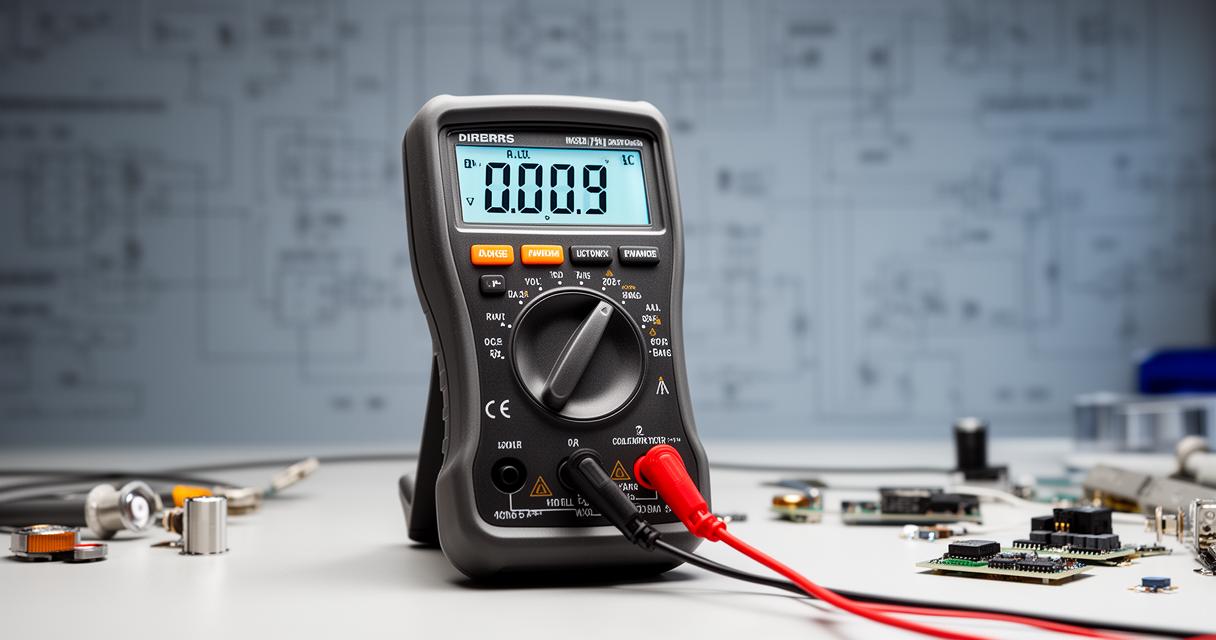
Safety Features Mandated by Standards: Fused Inputs, Insulation, and Overvoltage Protection
Several physical features found in modern multimeters exist purely because standards demand them. Fused inputs prevent catastrophic failure when a device is accidentally connected to a circuit beyond its rated capacity, while robust insulation on probes and casings reduces the risk of shock during handheld use. Overvoltage protection circuits absorb transient spikes that could otherwise destroy internal components or injure the operator. These aren't optional extras; they're baseline expectations for any device seeking legitimate certification, and their presence explains why compliant multimeters, even at a slightly higher price point, remain the preferred choice for professionals working in residential, commercial, and industrial contexts alike.
Industry 4.0 and the Future of Multimeter Safety: Adapting Standards to Smart Manufacturing
As factories become smarter and more interconnected, the humble multimeter is being pulled into a much larger technological conversation. The rise of smart technology integration and renewable energy applications means these tools are no longer isolated instruments but nodes within a broader diagnostic network.
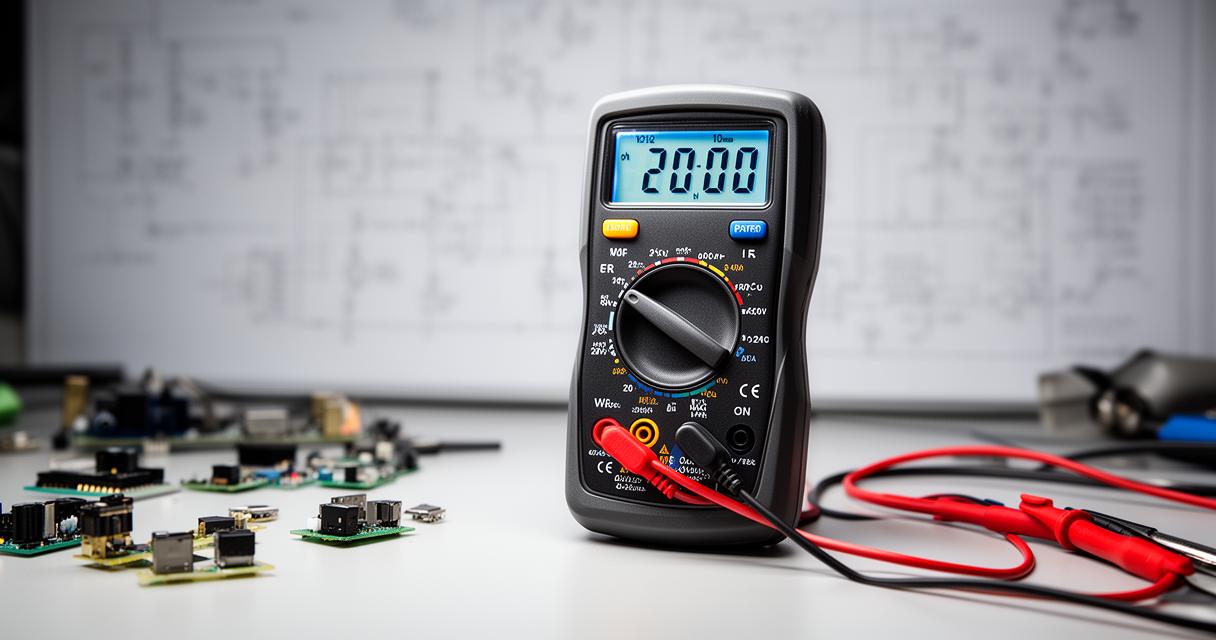
Integration of Digital Multimeters in Connected Factory Environments
Future multimeters are expected to be more connected, intelligent, and precise than their predecessors. Wireless connectivity and cloud integration will allow technicians to transmit readings in real time to mobile devices or centralised monitoring systems, reducing downtime and improving diagnostic speed. Features such as thermal imaging, data logging, and non-contact measurement technology are already appearing in premium models, while touchscreen interfaces and voice commands are making devices more intuitive for a new generation of technicians. Artificial intelligence is also playing a growing role, offering predictive maintenance insights and diagnostic feedback that helps prevent equipment failure before it happens.
Emerging Safety Challenges and Standard Evolution in the Age of IoT and Automation
With greater connectivity comes new complexity, and safety standards will inevitably need to evolve alongside these smart multimeters. As devices become part of an interconnected ecosystem of tools, questions around data security, calibration consistency, and interoperability will demand fresh regulatory attention. Reliable calibration remains essential, and services accredited under ISO/IEC 17025 continue to provide the rigorous verification that keeps measurement accuracy trustworthy across industries. Looking ahead to 2035, the market is expected to find fresh opportunities through educational partnerships and the continued refinement of smart multimeters, ensuring that as manufacturing grows more automated, the tools measuring its pulse remain both safe and precise.