
The Helios 44-2 58mm f2 has earned a devoted following amongst photographers and cine enthusiasts who crave something a little different from the clinical sharpness of modern glass. Born from Soviet-era optical engineering, this lens brings a distinctive character to images that simply cannot be replicated by contemporary autofocus lenses, and understanding how to look after it properly will ensure it keeps delivering that magic for years to come.
In short
- The Helios 44-2 58mm f2 is a Soviet-era lens prized for its distinctive swirling bokeh and painterly rendering that modern lenses cannot replicate.
- Most Helios 44-2 lenses feature an M42 mount, requiring a reliable adaptor to be used on modern mirrorless or DSLR camera bodies.
- To maintain the lens's optical quality, use a soft brush to remove dust before gently cleaning the glass with a microfibre cloth and specialized solution.
- Protect the lens from humidity and fungus by using silica gel packets or a dry cabinet, as vintage optics are highly susceptible to moisture damage.
- The lens uses a unique two-step preset aperture mechanism that requires careful handling to avoid premature wear of the rings.
- If the focus ring feels stiff, avoid using force, as this is typically a sign that the internal grease has hardened and requires professional maintenance.
- When purchasing, be cautious of inconsistent quality typical of Soviet manufacturing and watch out for counterfeit listings on secondary markets.
Understanding your helios 44-2 58mm f2 lens
The Heritage and Optical Characteristics of Soviet-Era Glass
The Helios-44 lineage traces its roots back to the Carl Zeiss Biotar design, which was appropriated and mass produced across the former Soviet Union under brands including KMZ and Belomo. Millions of these lenses rolled off production lines, making the Helios 44-2 one of the most widely available vintage optics on the market today. Photographers are drawn to its famous swirling bokeh, a dreamlike distortion in the out-of-focus background that gives portraits a distinctly painterly quality unmatched by modern designs. Centre sharpness is genuinely respectable, though edge and corner performance tends to fall away noticeably, particularly when shooting wide open. Many users find that stopping down to somewhere between f5.6 and f8 brings the corners into much better shape whilst retaining that lovely rendering everyone loves this lens for. Contrast and saturation sit at fairly average levels by today's standards, though this only adds to the lens's vintage charm, and it performs equally well whether paired with a digital body or loaded into an analogue film camera. Lens flaring is another quirk worth mentioning, as the uncoated or lightly coated elements can throw up surprisingly attractive flare patterns under the right lighting conditions.
Compatibility considerations: mounts, adaptors, and camera bodies
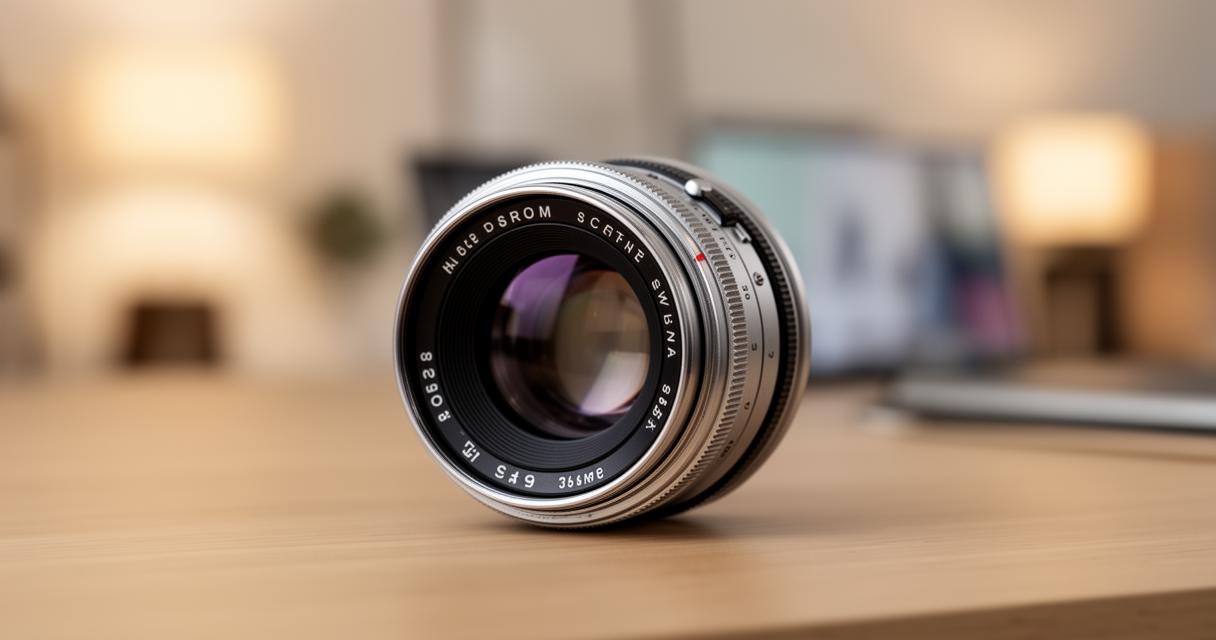
Most Helios 44-2 examples were produced with an M42 mount, which happens to be the most common and most affordable version to track down, though earlier variants occasionally surface with Zenit or other fittings. Because no modern mirrorless or DSLR system uses M42 natively, you will need a mount adaptor to fit the lens onto anything from Sony, Nikon, Fujifilm, Canon, Panasonic or Leica bodies. Fotasy adaptors are frequently recommended for their reliability and reasonable pricing, and they add minimal bulk to the overall setup. It is worth noting that adapting to certain digital bodies, particularly older Canon DSLRs, can introduce mirror clearance complications, so checking your specific camera's compatibility before buying is a sensible step. The filter size on this lens is 49mm, which is handy to know if you're hunting for protective filters or creative effects filters to pair with it. Full frame sensors tend to bring out the swirling bokeh effect most dramatically, so those shooting on crop sensor bodies may find the effect somewhat less pronounced.
Essential maintenance and cleaning techniques
Proper Cleaning Methods for Optical Elements and Body
Given the age of these lenses, gentle cleaning practices are essential to avoid damaging delicate coatings or introducing scratches to the glass. A soft lens brush should always be used first to remove loose dust and grit before any liquid cleaner touches the surface. When wiping the front or rear element, a microfibre cloth combined with a proper lens cleaning solution works far better than household glass cleaners, which can strip away what little coating remains on older examples. The metal barrel, particularly on earlier all-metal versions which are generally preferred over the later plastic-bodied models, can be wiped down with a slightly damp cloth to remove grime without risking damage to the internal mechanics. Owners should be especially cautious around the aperture ring and focus scale markings, as aggressive cleaning can wear away the paint-filled numerals over time.
Storage solutions: protecting your lens from environmental damage
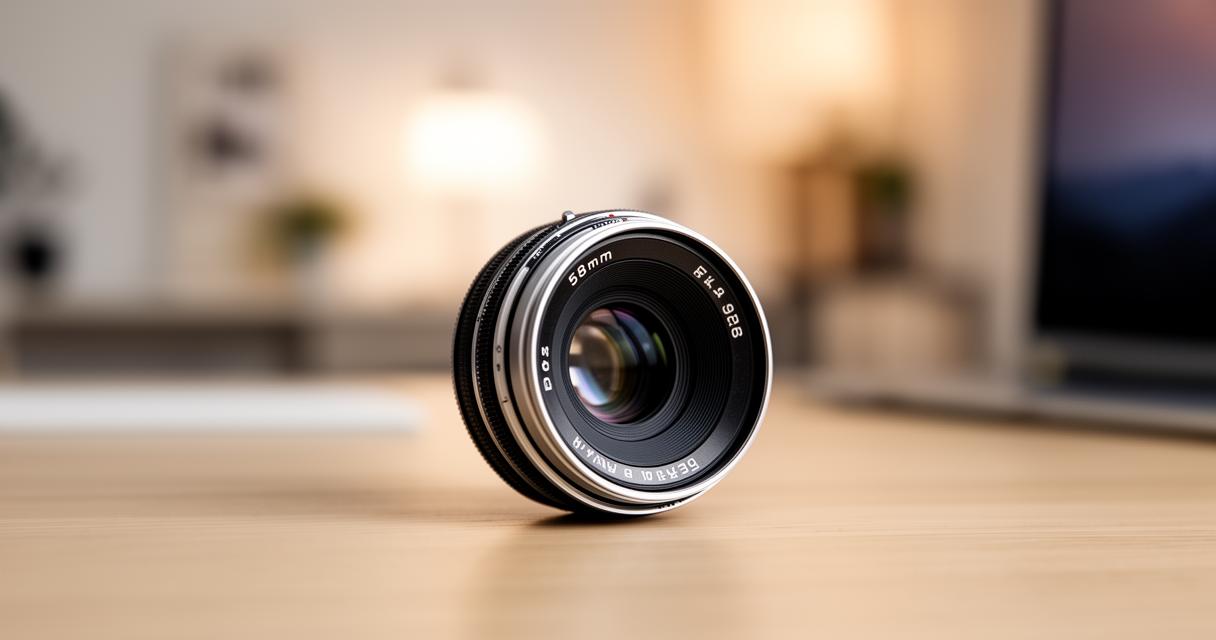
Humidity is the enemy of any vintage lens, and the Helios 44-2 is no exception, as internal fungus growth can permanently ruin optical clarity if the lens is left in damp conditions for extended periods. A dedicated dry cabinet or a storage box containing silica gel packets offers reasonable protection for anyone not shooting regularly. Keeping the original caps on both ends whenever the lens isn't mounted also helps guard against dust ingress and accidental scratches, and a lens hood or padded bag adds further protection during transport, which is often included as a bonus when buying from occasion listings online.
Maximising Performance and Longevity of Your Helios Lens
Handling Practices to Preserve the Aperture Mechanism and Focus Ring
The Helios 44-2 uses a preset aperture design, which requires setting the desired aperture value on one ring before physically closing the blades using a second ring. This two-step process can feel unfamiliar to photographers accustomed to modern clickless or electronic apertures, and rough handling of these rings can cause premature wear or stiffness. Different versions of the lens, including the 44M and 44M-6, feature varying numbers of aperture blades, with older examples boasting as many as thirteen blades whilst later models were simplified down to as few as six, which subtly affects bokeh rendering. The focusing action itself is generally smooth and satisfying, so avoid forcing the ring if it feels tight, as this usually indicates old grease has hardened and needs proper servicing rather than brute force.
Identifying Common Issues and When to Seek Professional Servicing
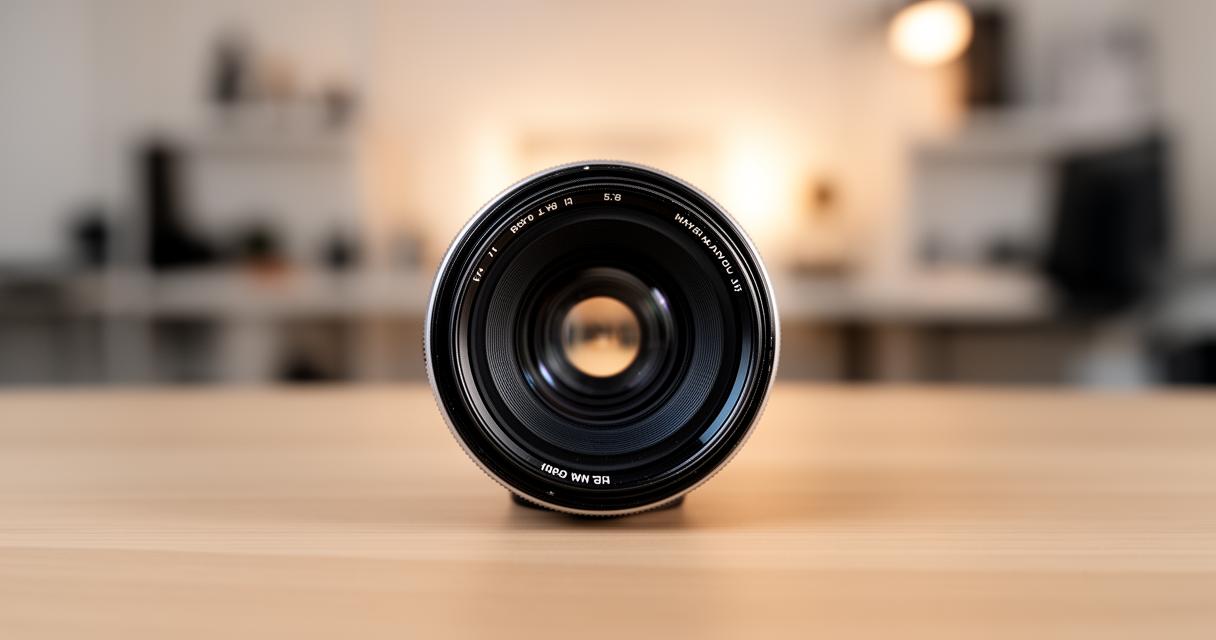
Because Soviet production methods were notoriously inconsistent, optical quality can vary quite significantly between individual copies, even within the same model line. Buyers browsing platforms like eBay should also be wary of counterfeit lenses being passed off as genuine Helios glass, so purchasing from reputable sellers offering clear photographs and honest descriptions is strongly advised. If you notice haze, fungus trails, or gritty focusing that cleaning alone cannot fix, seeking a specialist technician experienced with vintage Soviet lenses is far wiser than attempting a DIY repair. Many enthusiasts consider the 44-2 an excellent beginner's lens for exploring vintage optics, whilst others eventually move onto the 44-4 for slightly sharper results, but either way, proper care ensures this characterful piece of photographic history keeps producing beautifully unique images for a long time yet.