
The Sony A6000 remains one of the most talked-about mirrorless cameras on the market, and even years after its debut, photographers keep returning to it as a reliable workhorse. Whether you already own one or you're weighing it up against its younger sibling, the Sony A6400, this guide walks through what makes the camera tick and which accessories genuinely deserve a place in your kit bag.
In short
- The Sony A6000 remains a popular mirrorless camera due to its reliable 24.3 MP APS-C sensor and Bionz X processor.
- The camera offers a versatile performance with an ISO range of 100-25600 and continuous shooting speeds of up to 11 frames per second.
- Its hybrid design allows both hobbyists and semi-professionals to switch easily between photography and video production.
- The electronic viewfinder provides real-time exposure and focus feedback, which is particularly beneficial for composition in bright outdoor light.
- Despite its age, the A6000 offers excellent value for budget-conscious photographers looking for a lightweight and highly capable alternative to newer flagship models.
- Users can significantly improve the shooting experience by investing in practical accessories, such as high-capacity batteries with USB-C charging and protective gear.
Sony a6000 technical excellence: sensor performance and image quality breakdown
At the heart of the A6000 sits a 24.3 MP APS-C sensor paired with the Bionz X processor, a combination that still holds its own against many newer rivals. Announced back in February 2014, the camera went on to become a best-selling mirrorless model for more than six years before the Sony A6100 eventually took over as the brand's entry-level option in 2020. That kind of longevity says a great deal about how well the sensor and processor were engineered to begin with, and it's part of why DPReview handed the A6000 a Gold Award upon release.
Aps-c sensor capabilities: understanding the 24-megapixel advantage
An APS-C camera of this calibre strikes a sensible middle ground between full-frame bulk and compact-sensor limitations. The A6000's sensor delivers an ISO range stretching from 100 right up to 25600, giving plenty of flexibility whether you're shooting in bright daylight or dim interiors. Autofocus performance is another highlight, and combined with continuous shooting at 11 frames per second, this little camera can keep pace with fast-moving subjects that would trip up less capable systems. The maximum shutter speed sits at 1/4000 of a second, which covers the vast majority of everyday and action photography needs.
Image Format Options and File Processing: RAW, JPEG, and Everything Between
Shooters who like flexibility in post-production will appreciate that the A6000 supports both RAW and JPEG formats, letting you choose between maximum editing latitude and smaller, ready-to-share files. The camera writes to SD, SDHC, and SDXC cards through a single memory card slot, so picking the right card matters. For anyone comparing options, our recommendations for the Best SD, CFExpress Type-B, CFExpress Type-A, and MicroSD memory cards are worth a look, though speed tests show the A6000 and A6400 perform similarly when paired with the same card, meaning you needn't overspend on ultra-premium cards for this particular body.
Hybrid Functionality and Viewfinder Experience: Bridging Photo and Video Worlds
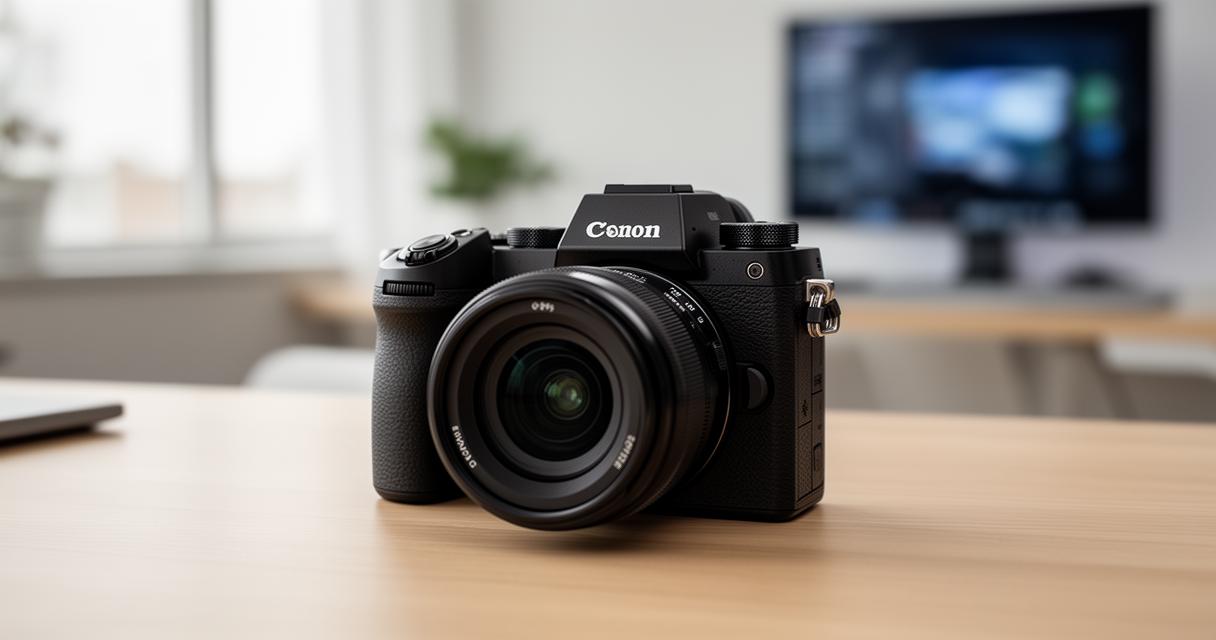
One of the reasons the A6000 has aged so gracefully is its hybrid nature. It was never designed purely as a stills camera or purely as a video tool, and that versatility still appeals to hobbyists and semi-professionals alike. The inclusion of comprehensive video controls alongside genuinely excellent autofocus gives users the confidence to switch between disciplines without fumbling through menus.
Electronic viewfinder precision: real-time composition and focusing benefits
The electronic viewfinder on the A6000 allows for precise, real-time composition, showing exposure changes and focus points as they happen rather than leaving you to guess. This is particularly useful in bright outdoor conditions where a rear screen can be difficult to see clearly. Pairing the viewfinder with a well-chosen strap, such as one of Gordy's Wrist Straps or the Peak Design Slide Lite, makes handheld shooting through the eyepiece feel far more secure and comfortable during long sessions.
Dual-mode performance: maximising both photography and videography potential
While the A6000 isn't as video-centric as some later Sony releases, it still manages a respectable balance for a mirrorless camera of its generation. It lacks silent shooting and waterproofing, so it's not the best choice for underwater work or situations demanding total quiet, but for general hybrid shooting it remains dependable. Keeping firmware updated is worth doing too, since the latest version 3.21 can smooth out small quirks and improve overall stability.
Compact design meets user experience: price, portability, and practical usage
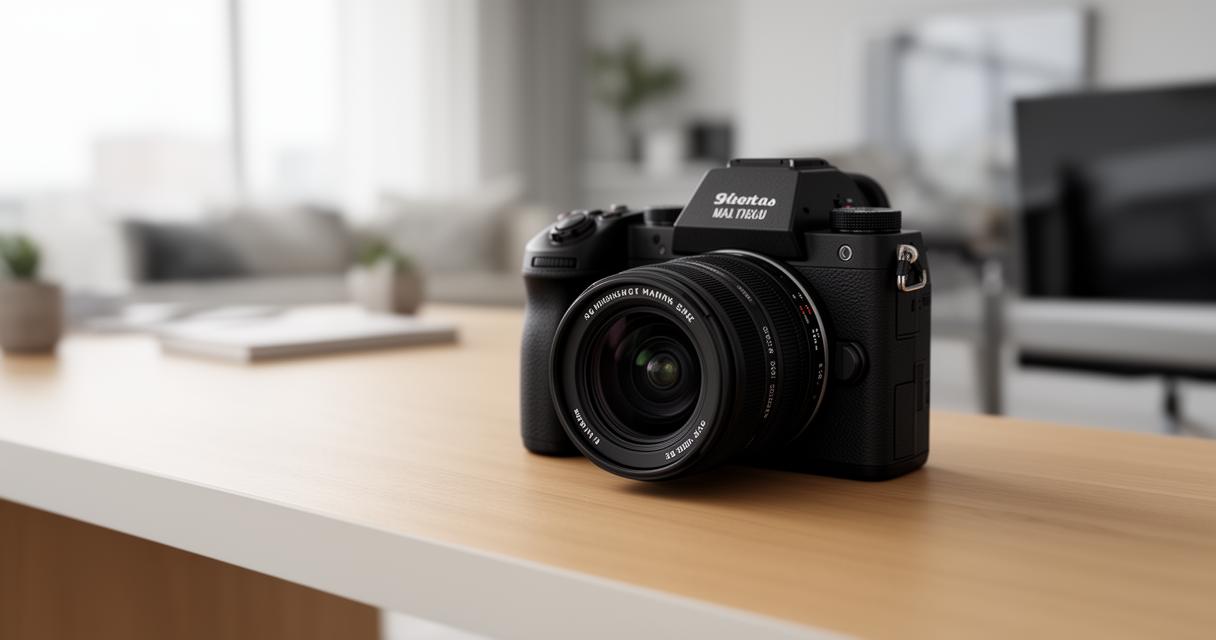
Weighing just 285 grams, the A6000 is refreshingly light for a camera packing this level of performance. That portability, combined with a genuinely appealing price point on the used and refurbished market, makes it an easy recommendation for anyone stepping up from a smartphone or a basic compact.
Value Proposition Analysis: Quality versus Investment for Enthusiast Photographers
For photographers watching their budget, the A6000 continues to represent excellent value. You're getting a genuinely capable APS-C sensor, solid autofocus, and respectable burst shooting for considerably less than flagship mirrorless bodies cost. That said, the accessory market surrounding this camera is rather flooded with options of varying quality, so it pays to stick with tried-and-tested gear. A few sensible upgrades can transform the experience without breaking the bank. The stock NP-FW50 battery, for instance, is notoriously small, and swapping it for something like the SmallRig NP-FW50 with USB-C charging solves a lot of frustration around battery life.
Ergonomics and Everyday Use: How the Compact Build Enhances Shooting Flexibility
The compact body pairs nicely with a range of thoughtfully designed accessories. Screen protectors such as the Expert Shield Crystal Clear or the Sony Semi-Hard Screen Protector help guard against scratches during daily use, while cases from Gariz, MegaGear, or simple silicone options protect the body itself without adding excessive bulk. Because the A6000 and A6400 differ slightly in dimensions, it's worth double-checking that any case you buy is specific to your model rather than a generic fit.
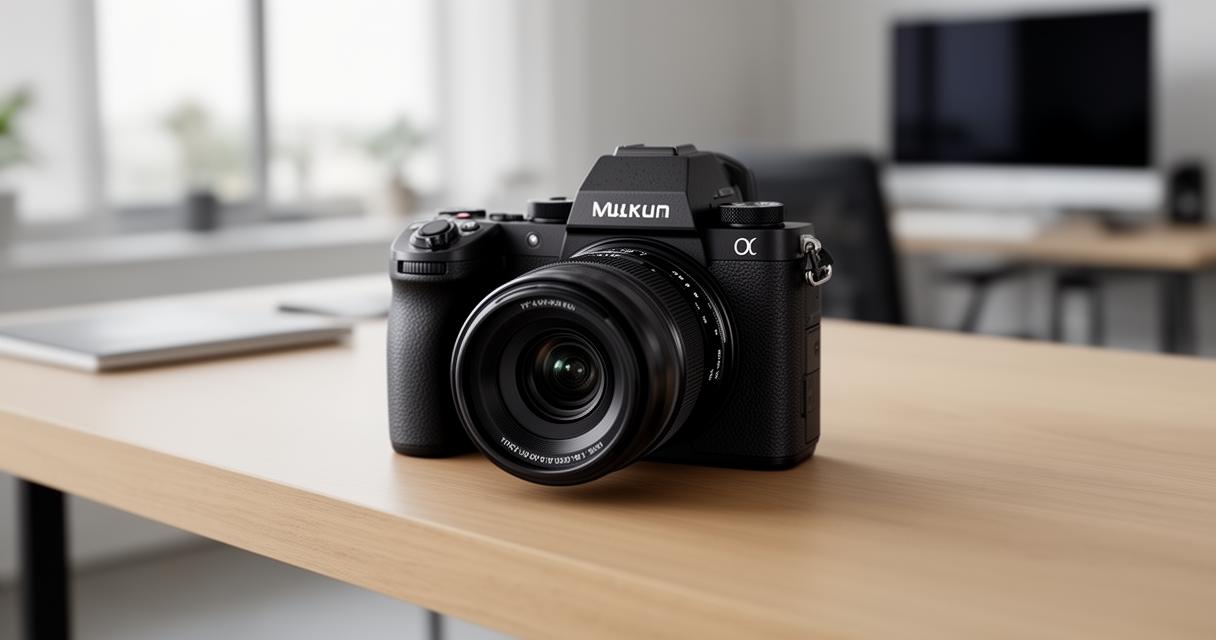
Keeping the camera clean matters just as much as protecting it externally. A Rocket Air Blower, paired with microfiber cleaning cloths and a sensor brush, handles most day-to-day dust concerns. It's best to avoid canned air altogether, since the pressure can sometimes force debris further into the camera body, and sticking to dry cleaning methods on the sensor is generally the safer approach.
In terms of what comes in the box, Sony includes an AC adaptor, eyepiece cup, lens cap, micro USB cable, power cord, battery, and shoulder strap, giving new owners everything they need to get started straight away. From there, browsing lens options for Canon, Fujifilm, Leica, Micro Four Thirds, Nikon, Panasonic and Leica, PL mount, or Sony fittings opens up a world of creative possibilities, and our dedicated lens reviews can help narrow down the best glass for your shooting style.
Whether you're drawn in by the price, the compact design, or simply the reputation this camera has built over the years, the Sony A6000 continues to prove that a well-engineered mirrorless body doesn't need to be brand new to remain genuinely useful. With the right accessories alongside it, this little APS-C camera still has plenty left to offer.